
Auckland’s native ecosystems, private gardens, reserves and forested landscapes are increasingly threatened by fast-growing invasive plant species. These plants spread aggressively, disrupt ecological balance, suppress native regeneration, degrade soil health, and accelerate long-term environmental damage. As these challenges grow, the need for strategic, sustainable and legally compliant weed management becomes more essential than ever.
What Are Invasive Weeds?
Invasive weeds are non-native plant species that have the ability to establish quickly, spread aggressively, and dominate ecosystems. They often have biological advantages such as rapid seed production, extensive root systems, and high adaptability. Their presence leads to the decline of native biodiversity, alteration of soil properties, obstruction of waterways, and increased fire risks.
Most invasive weeds in Auckland originated from imported ornamental plants, agricultural escapees or accidental introduction. Once established, these species become difficult to eradicate without targeted management.
Why Invasive Weeds Spread in Auckland
Auckland’s climate, geography and human activities create ideal conditions for invasive weeds to thrive. Several factors contribute to rapid spread:
Subtropical Climate
The warm, humid climate in Auckland supports year-round growth of many invasive species such as Tradescantia, Wild Ginger, Woolly Nightshade and Pampas. The absence of natural predators allows unhindered expansion.
Soil Disturbance and Development
Construction work, land clearing, roadside maintenance and unmanaged sections create disturbed spaces where invasive species quickly gain dominance.
Seed Dispersal by Birds, Wind and Water
Species like Moth Plant, Agapanthus and Pampas produce thousands of seeds which travel long distances. Birds and wind serve as natural dispersal agents, enabling rapid colonisation.
Improper Green Waste Disposal
Dumping garden waste in bush reserves or vacant plots is one of the leading causes of invasive outbreaks around Auckland.
Lack of Early Monitoring
When invasive plants are ignored during their early stages, they quickly take over large areas, making removal more expensive and time-consuming.
Why Controlling Invasive Weeds Is Essential
Invasive weeds have profound ecological, economic and social impacts. Effective control provides several long-term benefits:
Protects Native Biodiversity
Many invasive weeds form dense mats or canopies that prevent the germination and growth of native species. Removal helps restore natural forest regeneration and ecosystem functionality.
Prevents Habitat Loss and Wildlife Decline
Certain weeds create favourable environments for pests, reduce food sources for birds, and suffocate host trees. Controlling them helps maintain habitat integrity.
Reduces Fire Risks
Species such as Pampas and Gorse accumulate dry biomass leading to increased fire hazards, especially in summer.
Improves Soil and Water Systems
Invasive weeds can alter soil pH, deplete moisture, clog waterways and reduce water quality. Their removal helps maintain healthy land and water systems.
Enhances Garden and Landscape Health
Residential gardens overrun by invasive weeds lose value, aesthetic appeal and functionality. Early intervention helps avoid costly restoration.
High-Risk Invasive Weeds of Auckland
Identification, Characteristics and Damage Potential
Below is a detailed overview of the most problematic Invasive Weeds of Auckland. These species require immediate attention due to their ecological risks.
Tradescantia (Wandering Willie or Wandering Jew)
A fast-spreading groundcover with shiny green leaves. Tradescantia forms thick mats that prevent native seedlings from establishing. It regrows from even the smallest stem fragments, making it one of the hardest weeds to control.
Wild Ginger (Yellow Ginger / Kahili Ginger)
Identified by its large waxy leaves and thick rhizomes. It spreads underground, forming dense colonies that completely block native forest regeneration. Its rhizome structure demands specialised extraction.
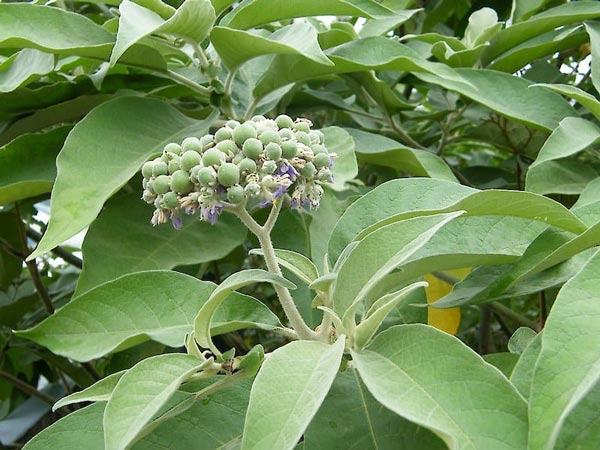
Woolly Nightshade
Recognised by its velvety leaves and strong odour. Woolly Nightshade grows rapidly, is toxic to touch, and quickly displaces native shrubs and young trees.
Pampas Grass
Tall, razor-sharp leaves with white or cream plumes. Often mistaken for native toetoe, Pampas is a major fire hazard and spreads aggressively along roadsides and coastal cliffs.
Moth Plant
A climbing vine with milky sap and large green pods. When pods burst, thousands of seeds disperse widely. Moth Plant suffocates trees, fences, and hedges.
Climbing Asparagus
A creeping vine with underground tubers and thick mats that smother the forest floor. It is one of Auckland’s most destructive understory weeds.
Agapanthus
Common in coastal areas; forms dense root systems that displace native dune vegetation. Its seeds are easily transported by water.
Japanese Honeysuckle
A climbing vine that overtakes shrubs and tree canopies. It grows throughout the year, making it difficult to contain.
Legal Framework: Noxious Weeds NZ
Modern Interpretation of the Noxious Weeds Act and Current Rules
Historically, the Noxious Weeds Act 1950 governed the management of harmful plant species across New Zealand. Although many aspects have been integrated into the Biosecurity Act, the core principles remain relevant.
In modern terms, the law requires:
- Landowners to remove or control declared noxious plants
- Prevention of sale, distribution or possession of banned species
- Proper disposal of plant material
- Cooperation with council inspectors
- Protection of neighbouring properties from infestation
Possession of certain species, such as Water Hyacinth, is still illegal nationwide. Regional councils maintain updated pest plant lists and may issue enforcement notices if a property poses environmental risk.
Noxious Weeds NZ – Major Species List (Professionally Categorized)
Trees and Shrubs
Barberry, Tree Privet, Crack Willow, Blackberry, Gorse, Hakea species, Hawthorn, Wilding Pines.
Herbaceous and Groundcovers
Hemlock, Giant Buttercup, Ragwort, Nassella Tussock, Field Horsetail, Oxalis, Variegated Thistle.
Vines and Climbers
Moth Plant, Old Man’s Beard, Ivy, Banana Passionfruit, Climbing Spindleberry, Wonga Wonga Vine.
Aquatic Weeds
Water Hyacinth, Alligator Weed, Oxygen Weed.
These species pose serious threats to native ecosystems, agriculture and waterways and must be managed according to regional regulations.
Weed Removal Solutions
DIY Approaches
Smaller infestations or garden-level weeds can often be managed using the following strategies:
Tradescantia
Collect all stems manually and dry thoroughly before disposing. Do not compost.
Wild Ginger
Remove entire rhizome structures. Bag and leave in sun for several months.
Pampas
Cut flower heads, remove leaves with protective gear and treat stump immediately.
Lawn Weeds
Regular mowing, improved soil, hand weeding and seasonal fertiliser.
Professional Weed Control Services
Naturescapes’ Full-Scale Removal and Restoration System
Large infestations require expert intervention. Naturescapes provides comprehensive, eco-focused and safe solutions for the full range of Invasive Weeds of Auckland.
Site Assessment
A thorough inspection to identify species, distribution and severity.
Eco-Friendly Manual Removal
Specialised techniques to extract roots and rhizomes with minimal soil disturbance.
Cut-and-Paste Herbicide Application
A precise and efficient treatment for woody weeds and vines.
Seasonal Spraying
Summer spraying increases herbicide efficacy, particularly for dense clusters.
Long-Term Weed Suppression
Mulching, native planting, soil improvement and scheduled monitoring prevent recurrence.
Seasonal Weed Management Calendar (Auckland Climate)
Spring
Spring marks the beginning of rapid plant growth in Auckland, making it one of the most effective seasons for early-stage invasive weed control. During this time, species such as Tradescantia, Wild Ginger, Climbing Asparagus, and fast-spreading vines begin producing new shoots, which are easier to identify and remove.
Manual extraction is highly effective in spring because young growth has weaker root systems. This is also the best season to interrupt reproductive cycles before weeds develop flowers or seed heads. Early action in spring significantly reduces the spread that typically accelerates in summer.
Summer
Summer offers the highest success rate for chemical weed treatments due to increased sunlight, warmer soil, and active plant metabolism. Invasive weeds absorb herbicide more efficiently during this season, making it ideal for controlling tough species such as Moth Plant, Pampas, Woolly Nightshade, and large vine infestations.
Many weeds are also more visible in summer because of flowering, seed pod development, and full canopy growth, making identification easier. For heavily infested properties, summer is the recommended time for cut-and-paste herbicide methods, foliar spraying, and suppressing repeat regrowth.
Autumn
Autumn is a transitional season where invasive weeds begin to slow their growth but remain physiologically active enough for continued control. This is the best period for cutting, stump treatment, and root-targeted herbicide application to prevent winter regrowth.
Autumn is also highly suitable for clearing large patches in preparation for native restoration planting, as soil conditions are stable and moisture levels begin to increase. Removing seed heads before winter prevents seed spread during storms. Many landowners and contractors use autumn to establish long-term weed management plans ahead of winter work.
Winter
Winter provides ideal conditions for physical weed removal because rainfall softens the soil, allowing roots to be extracted more completely—especially for species like Wild Ginger, Privet, Woolly Nightshade seedlings, and vine tubers.
With growth rates slowing down, winter is the perfect time for heavy-duty clearing, digging out rhizomes, and tackling root-dense infestations. Although chemical effectiveness decreases in colder temperatures, winter remains essential for mechanical removal and preparing sites for spring planting. Addressing weed problems in winter reduces labour time and prevents major outbreaks in the upcoming growth season.
What are the most invasive weeds in Auckland?
Auckland’s most aggressive invasive weeds are fast-spreading species that outcompete native plants, disrupt ecosystems, and dominate properties if left unmanaged.
Key high-risk species include Tradescantia, Wild Ginger, Woolly Nightshade, Moth Plant, Climbing Asparagus, and Pampas.
Tradescantia forms a thick groundcover that suffocates the soil, while Wild Ginger spreads rapidly through rhizomes. Woolly Nightshade is highly toxic, Moth Plant releases thousands of seeds each season, Asparagus climbs and strangles native vegetation, and Pampas increases fire risk.
Early identification and timely control are essential to prevent widespread infestation.
Are landowners required to remove invasive weeds?
Yes. Under the Auckland Regional Pest Management Plan (RPMP), landowners have legal obligations to control specific invasive species.
Weeds listed under Noxious Weeds NZ must be controlled by the property owner. In some cases, the council may enforce Good Neighbour Rules, especially if weed spread from your property threatens neighbouring land, reserves, or bush areas.
Therefore, recognising invasive species and controlling them on time is part of responsible land management in New Zealand.
When is the best time for weed control?
The most effective weed control depends on seasonal conditions.
Summer is the ideal time for chemical treatment because plants are actively growing and herbicides are absorbed more effectively. Moth Plant, Wild Ginger, and Woolly Nightshade respond best to summer spraying.
Winter is suitable for physical removal and root extraction. The soil is softer, allowing roots to be pulled out more completely, reducing regrowth.
Autumn and Spring are effective for combined approaches—manual removal plus selective herbicide—to manage repeat-growth species like Tradescantia and Climbing Asparagus.
Can invasive weeds harm pets or people?
Yes. Several invasive weeds in Auckland pose risks to both humans and animals.
Woolly Nightshade contains toxic compounds that can irritate skin, eyes, and respiratory systems.
Hemlock is extremely poisonous and even small ingestion can be life-threatening.
The milky sap of Moth Plant can cause allergic reactions, burns, or blistering on contact.
Wild Ginger can cause toxic reactions if eaten by pets.
Households with children, pets, or allergy-sensitive individuals should address these weeds promptly.
Should I hire a professional?
In many cases, hiring a professional weed control service is the safest and most effective option.
Large or long-standing infestations usually require specialised tools. Woody weeds like Pampas or Woolly Nightshade often need chainsaws, scrub bars, or professional herbicide application.
Vine species such as Moth Plant and Climbing Asparagus can climb high into trees and require expert handling and proper gear.
Professionals ensure correct chemical use, safety compliance, and long-term control by targeting root systems and preventing regrowth.
Conclusion
The increasing presence of Invasive Weeds of Auckland demands informed, strategic and long-term solutions. Effective weed management restores ecological balance, preserves native biodiversity and enhances property health. Naturescapes offers Auckland’s most reliable and comprehensive weed removal service, backed by expert knowledge of local ecosystems, legal obligations and sustainable eradication methods.
For homeowners, land managers and developers, early intervention remains the most cost-effective and ecologically responsible approach.
If you need a complete weed control plan, professional removal or ongoing maintenance, our team is ready to assist with a tailored solution.