
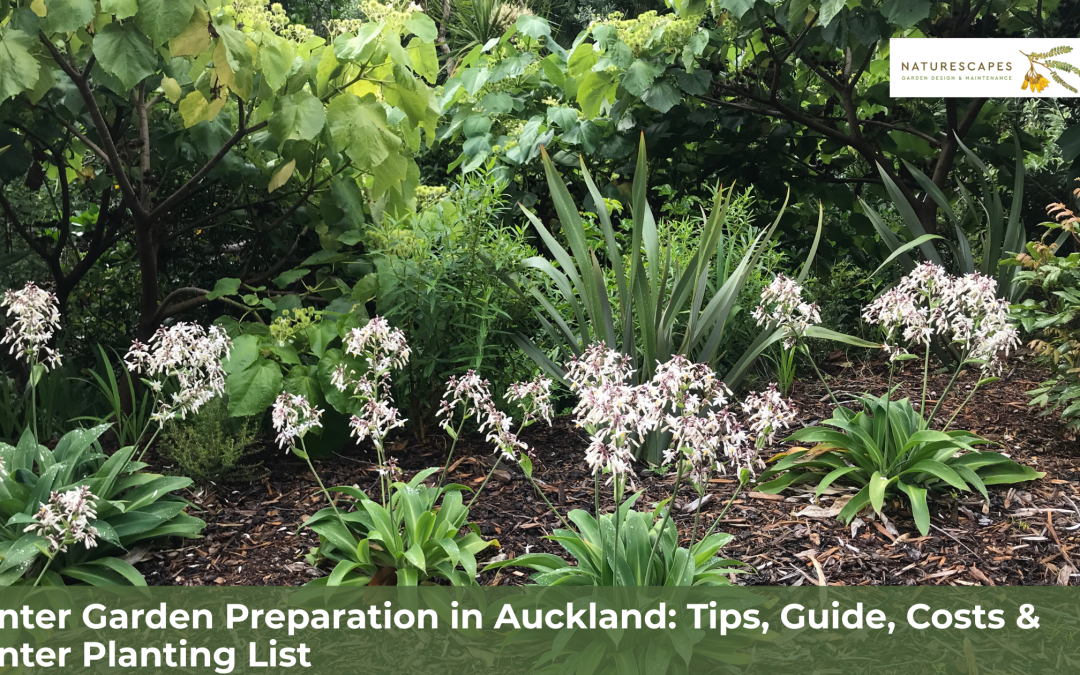
Winter garden preparation in Auckland ensures your garden stays healthy, protected, and ready for spring growth. This guide covers essential tips, step-by-step preparation, and maintenance strategies including pruning, mulching, frost protection, soil enrichment, and plant placement. Learn about winter-friendly vegetables, flowers, shrubs, and trees, as well as tools, materials, and professional service costs to keep your garden resilient. With careful planning and seasonal strategies, you can maintain a productive, visually appealing, and low-maintenance garden throughout Auckland’s colder months.
What is winter garden preparation?
Winter garden preparation in Auckland is all about tidying, feeding, and protecting your garden during the colder months to ensure plants survive wet, frosty, or windy conditions and are ready to thrive in spring. The process begins with clearing fallen leaves, dead plants, and weeds, which helps reduce the risk of pests and diseases overwintering in your garden.
Pruning shrubs and trees at the right time removes dead or diseased branches and encourages healthy growth while preserving spring buds. Applying organic mulch around plants, beds, and trees provides insulation, conserves moisture, suppresses weeds, and helps maintain soil temperature. Tender plants, including seedlings and potted varieties, can be protected from frost or harsh winds by using frost cloths, cloches, or moving them to sheltered spots.
At the same time, improving soil health by adding compost, well-rotted manure, or slow-release fertilisers ensures that your garden remains fertile and strong throughout winter. Maintaining your garden tools, such as pruning shears and rakes, keeps them ready and efficient for spring tasks. Finally, planning for the next season, including assessing plant placement, microclimates, and planting schedules, sets the stage for a vibrant, productive, and low-maintenance garden once the warmer months arrive.
Why is winter garden preparation important in New Zealand?
Winter garden preparation in New Zealand is an essential practice that protects plants, soil, and the overall health of your garden while ensuring a strong, productive, and visually appealing garden in spring. During winter, gardens face challenges such as frost, heavy rainfall, cold winds, and occasional storms.
Proper preparation safeguards roots, branches, leaves, and lawns, improves soil fertility and structure, and reduces the risk of pests and fungal diseases.
Key winter preparation tasks include clearing fallen leaves and dead plants, controlling weeds, pruning shrubs and trees, applying mulch, and protecting tender seedlings or potted plants. Adding compost, well-rotted manure, or slow-release fertilisers enriches the soil, while mulch protects roots from frost, retains moisture, and prevents erosion. Pruning and cleaning also help manage pests and fungal infections, keeping plants healthy throughout winter.
Winter is also the perfect time for strategic planning for the next season. Assessing plant placement, microclimates, and crop rotation ensures a productive, well-structured, and resilient garden in spring. Winter garden preparation is not just maintenance; it is a strategic investment that keeps your garden healthy, fertile, and flourishing year-round.
What tips help protect gardens during Auckland winter season?
Protecting your garden during the Auckland winter involves managing wet conditions, preventing frost damage, and preparing the soil for spring growth. While winters in Auckland are generally mild, frequent rain and occasional cold snaps make careful preparation essential.
- Frost and Cold Protection
- Use frost cloths: Cover tender plants like hibiscus, bromeliads, and young citrus trees during cold nights to prevent frost damage.
- Move potted plants: Relocate sensitive or tropical plants to sheltered spots such as under eaves, on a porch, or near a warm wall.
- Water before frost: Moist soil holds more heat than dry soil, so water plants a day or two before predicted frosts.
- Temporary cloches: Protect small seedlings using plastic bottles or containers.
- Beware of “false spring”: Warm spells in late winter can trigger early growth that is vulnerable to later frosts. Keep protective materials ready.
- Mulching and Soil Care
- Apply mulch: Spread a 5–10 cm layer of organic mulch, such as pea straw, bark chips, or compost, around plants to conserve warmth and insulate roots.
- Improve drainage: Ensure soil drains well during heavy winter rains by creating vertical holes with a garden fork or using raised beds.
- Avoid soil compaction: Avoid walking on saturated soil or lawns, as this can damage root systems.
- Winter Garden Maintenance
- Pruning (strategic): Prune deciduous trees, roses, and shrubs in late winter to remove dead, diseased, or crossing branches. Avoid heavy pruning on evergreens or tender plants during the peak of winter.
- Reduce watering: Plants grow slowly in winter; water only when soil is dry about 5 cm below the surface, typically every 2–3 weeks.
- Tidy up debris: Remove fallen leaves and dead plant material to reduce fungal diseases, pests, slugs, and snails.
- Maintain tools: Clean, sharpen, and oil garden tools to prevent disease spread and keep them efficient.
- Auckland-Specific Tips
- Lawns: Keep mower blades slightly higher than usual to help grass survive wet conditions.
- Pest management: Monitor and control slugs and snails, which thrive in mild, damp winters.
- Winter planting: Use the season to plant native shrubs (hebes, flax), winter vegetables (broccoli, cabbage, garlic, spinach), and trees.
- Handling Frost Damage
If a plant is damaged by frost, do not prune immediately. Damaged leaves act as a protective layer for the rest of the plant. Wait until the frost risk has passed in early spring before cutting back to healthy growth.
How can you maintain lawns, flower beds, shrubs, and trees in winter?
Winter garden maintenance in Auckland focuses on protection, tidying, and planning to ensure a healthy, productive, and visually appealing garden in spring. Proper care involves mulching, pruning, debris clearing, watering, and tool maintenance across lawns, flower beds, shrubs, and trees.
1. Lawns
- Clear debris: Rake fallen leaves and debris to prevent smothering and disease.
- Reduce traffic: Avoid walking on frozen or waterlogged grass to protect roots.
- Mowing: Mow only when necessary, keeping blades slightly higher (~2 cm) in winter.
- Drainage & aeration: Fix drainage issues and aerate soil to prevent waterlogging during heavy rains.
2. Flower Beds
- Mulch: Apply 5–8 cm of organic mulch (compost, bark chips, or leaves) to protect roots, retain moisture, and suppress weeds.
- Weeding: Remove winter-hardy weeds to prevent them from taking over in spring.
- Cleaning: Clear dead or diseased plant material to reduce pests and fungal infections.
3. Shrubs and Trees
- Frost protection: Wrap tender plants and young trees with frost cloth or burlap during cold snaps.
- Pruning: Late autumn or early winter is ideal for pruning deciduous shrubs and trees to remove dead or diseased branches.
- Watering: Water newly planted shrubs and trees during dry, sunny winter days to keep roots hydrated.
4. General Maintenance
- Tool care: Clean, sharpen, and oil garden tools to prevent disease spread and prepare for spring.
- Plan ahead: Use winter downtime to plan spring planting and start seeds indoors.
- Fertilizing: Apply lime to lawns if needed and use low-nitrogen, winter-appropriate fertilizers to maintain soil health.
Summary: Proper winter garden maintenance in Auckland ensures lawn health, flower bed protection, strong shrubs and trees, and overall garden readiness for spring. Consistent mulching, pruning, cleaning, frost protection, and strategic planning create a resilient, productive, and thriving garden.
Which tools and materials are essential for winter garden maintenance?
Winter garden maintenance in Auckland requires the right tools and materials to protect plants from frost, prepare soil for spring, and maintain overall garden health. Using quality equipment and proper materials ensures your lawns, flower beds, shrubs, and trees survive the cold months and flourish in spring.
- Essential Winter Garden Tools
- Pruning Shears (Secateurs) & Loppers:
High-quality, sharp tools are crucial for removing dead, diseased, or damaged branches. Bypass pruners are ideal for live wood, while anvil pruners suit dead branches. - Rake:
Leaf rakes help clear fallen leaves and debris from lawns and garden beds, preventing lawn suffocation and fungal diseases. - Garden Fork & Spade:
For turning soil, breaking up compacted areas, and incorporating compost. Garden forks are especially useful for dividing perennials in winter. - Hori Hori Knife & Hand Trowel:
Versatile tools for weeding, cutting back perennials, small digging tasks, and planting. - Wheelbarrow:
To transport heavy materials such as mulch, compost, or soil efficiently. - Watering Can or Hose:
Essential for keeping evergreen and potted plants hydrated during dry winter spells. - Tool Maintenance Kit:
Includes files, whetstones, wire brushes, and oil to clean, sharpen, and prevent rust on tools before storage.
- Essential Winter Garden Materials
- Mulch:
Apply 5–10 cm of organic mulch (bark chips, straw, compost, or leaves) around plant bases to regulate soil temperature, retain moisture, and protect roots from frost. - Frost Cloths, Burlap, or Hessian:
Cover delicate plants, shrubs, and vegetables to shield them from cold snaps and freezing winds. - Cold Frames or Mini Greenhouses:
Ideal for potted plants, tender specimens, or growing hardy winter vegetables. - Soil Amendments:
Compost, well-aged manure, or sheep pellets to enrich soil and improve fertility for spring planting. - Tree Wrap:
Protects young trees from sunscald and frost cracks. - Plant Ties & Stakes:
Secure protective covers and support tall or vulnerable plants against winter winds. - Garden Sprayer & Treatments:
For applying fungicides (e.g., copper-based) or horticultural oil to control overwintering pests and prevent leaf diseases.
- Winter Maintenance Tips for Tools & Materials
- Clean and Protect Tools: Remove soil and apply oil to prevent rust during winter storage.
- Protect from Wetness: Use raised beds or surface drains to prevent waterlogging, which can rot roots.
- Water Wisely: Water plants in the morning to allow soil to dry before nightfall, reducing the risk of root rot.
- Plan Ahead: Keep tools and materials organized to make spring garden tasks efficient.
Summary: Using the right tools and materials—from pruning shears, rakes, garden forks, and watering cans to mulch, frost cloths, soil amendments, and tree wraps—is essential for a resilient Auckland winter garden. Proper tool care, frost protection, and soil preparation ensure that your garden stays healthy, protected, and ready to thrive when spring arrives.
What common mistakes should gardeners avoid during the winter season?
Winter gardening in Auckland requires careful planning, protection, and maintenance. Even small mistakes can damage plants, reduce growth, and increase pest and disease risks. Avoiding these common errors ensures a healthy, thriving garden in spring.
- Overwatering Dormant Plants
- Dormant plants, including shrubs, lawns, and perennials, require much less water in winter.
- Mistake: Overwatering leads to root rot, fungal diseases, and poor soil structure.
- Tip: Water only when soil is dry about 5 cm below the surface, preferably in the morning.
- Improper Pruning
- Mistake: Pruning spring-flowering shrubs like azaleas or magnolias too early removes buds, reducing blooms. Cutting back herbaceous plants too soon can expose them to frost damage.
- Tip: Wait until late winter or early spring for pruning spring-flowering shrubs and prune deciduous trees during dormancy.
- Walking on Frozen or Waterlogged Soil
- Mistake: Stepping on saturated or frozen lawns and beds compacts soil, damaging roots and slowing spring growth.
- Tip: Use raised paths or walk carefully on firm areas; avoid wet or frosty soil.
- Neglecting Frost Protection
- Mistake: Leaving sensitive plants, potted specimens, or new hardy plants unprotected during frost or cold snaps.
- Tip: Use frost cloth, burlap, mini cloches, or temporary shelters to protect tender plants.
- Ignoring Clean-Up
- Mistake: Leaving fallen leaves, dead plants, and debris in beds encourages pests and fungal diseases to overwinter.
- Tip: Regularly tidy flower beds, prune dead material, and compost or remove debris.
- Late Fertilizing
- Mistake: Applying fertilizer too late in the season stimulates new growth that is vulnerable to cold damage.
- Tip: Fertilize according to winter growth patterns with low-nitrogen, winter-appropriate fertilizers to maintain soil health without forcing tender growth.
- Forgetting Container and Potted Plant Care
- Mistake: Containers are more exposed to cold and drying winds, causing roots to freeze or dry out.
- Tip: Move containers to sheltered areas, wrap pots with insulating materials, or use frost cloth.
Summary: In Auckland winter gardening, the key mistakes to avoid are overwatering, improper pruning, walking on wet/frozen soil, neglecting frost protection, ignoring debris, late fertilizing, and neglecting container plants. By avoiding these errors, gardeners can protect lawns, flower beds, shrubs, and trees, ensuring a healthy, resilient, and productive garden ready for spring.
Where should you start when preparing a garden for the winter season?
Preparing your garden for winter in Auckland requires a strategic, step-by-step approach to protect plants, soil, and garden structures from frost, wet conditions, and pests. Starting correctly ensures your garden remains healthy, resilient, and ready to thrive in spring.
- Initial Cleanup and Garden Hygiene
- Remove Dead Plants: Clear out dead annuals, finished summer crops, and overgrown perennials.
- Clear Debris: Rake fallen leaves, old foliage, and weeds to reduce pest and disease risks.
- Dispose of Diseased Material: Remove any diseased plant material from the garden completely; do not compost it.
- Prune and Divide: Prune dead or damaged branches from shrubs and trees, and divide overcrowded perennials.
- Prepare the Soil
- Turn Over the Soil: Dig or loosen beds, particularly in heavy clay areas, leaving clumps to naturally break down over winter.
- Add Organic Matter: Apply compost, well-aged manure, or sheep pellets to improve soil fertility and structure.
- Cover Bare Beds: Prevent erosion and suppress weeds using green manure crops (e.g., mustard or lupin) or a layer of organic mulch.
- Protect Plants and Apply Mulch
- Mulch Application: Spread 5–10 cm of pea straw, bark, or compost around plants to insulate roots, retain moisture, and stabilize soil temperature.
- Frost Protection: Cover sensitive seedlings and potted plants with frost cloths, cloches, or move them to sheltered positions.
- Tool and Equipment Care
- Clean and Sharpen Tools: Ensure pruning shears, rakes, spades, and trowels are cleaned, sharpened, and oiled before winter storage.
- Winterize Irrigation: Drain hoses and irrigation lines to prevent freezing and damage.
- Plan for Spring
- Garden Layout & Crop Rotation: Use the winter months to plan spring planting, crop rotation, and garden design.
- Order Seeds & Materials: Prepare early to ensure timely planting once temperatures rise.
Key Tip
- Timing Matters: Begin preparation in late summer or early autumn, while the soil is still warm. This helps compost and organic matter break down effectively, providing nutrients to plants before winter.
Summary: Start winter garden preparation in Auckland with cleaning, soil improvement, plant protection, tool maintenance, and spring planning. Following these steps ensures a resilient, productive, and low-maintenance garden ready to flourish when warmer months arrive.

When Is the Best Time to Begin Winter Garden Preparation in Auckland?
The best time to begin winter garden preparation in Auckland is late summer to early autumn (March to April). Starting during this period allows you to clear finished summer crops, improve soil health, and establish winter seedlings while the soil is still warm.
Early preparation is important because Auckland winters are mild but wet, and once heavy rain begins, soil becomes harder to work without causing compaction or drainage problems.
Best Timing by Month
March–April (Main Preparation Phase)
- Remove summer crops and weeds
- Add compost or sheep pellets
- Improve drainage
- Sow or plant winter vegetables such as broccoli, cabbage, carrots, and spinach
May (Final Planting & Protection)
- Plant established seedlings rather than seeds
- Apply mulch (5–10 cm) to protect roots
- Prepare frost protection for tender plants
June–August (Winter Maintenance)
- Prune deciduous trees and shrubs while dormant
- Monitor drainage and avoid walking on waterlogged soil
- Maintain mulch and plant protection
Key Tip
Start clearing beds in early March while the soil is still warm. This ensures nutrients break down properly and plants establish before colder conditions slow growth.
Summary: In Auckland, begin winter garden preparation in March or April for the best results. Early action ensures healthier soil, stronger plants, and a resilient garden ready for spring.
How Do You Prepare Your Garden Step-by-Step for Winter?
Preparing your garden for winter in New Zealand (May–June) involves cleaning, pruning, feeding the soil, mulching, and protecting plants from frost. These steps prevent pests and disease, protect roots from cold temperatures, and ensure strong spring growth.
Quick Winter Garden Preparation Checklist
- Remove Dead & Diseased Plants
Clear old vegetable crops (like tomatoes), fallen leaves, and garden debris. Compost only healthy material to reduce overwintering pests. - Weed Thoroughly
Pull weeds out by the roots to stop nutrient competition and prevent spring regrowth. - Prune & Cut Back Perennials
Trim herbaceous perennials to a few inches above ground. Remove dead or damaged wood from shrubs. Avoid pruning spring-flowering plants. - Improve Soil Health
Add compost, aged manure, or organic fertilizer. This strengthens soil structure and supports root health over winter. - Apply Mulch (5 cm Layer)
Use bark, straw, or compost to insulate soil, retain moisture, and protect roots. Keep mulch away from plant stems. - Protect Frost-Sensitive Plants
Cover tender plants with frost cloth or cloches. Move potted plants to sheltered areas. - Drain Irrigation Systems
Turn off irrigation and drain hoses to prevent freezing and cracking. - Clean & Store Garden Tools
Sharpen blades, clean tools, and oil metal parts to prevent rust.
Can You Plant Anything in Winter?
Yes. You can plant garlic, onions, and broad beans in NZ winter. Protect young plants with mulch for steady cold-season growth.
Summary: Winter garden preparation includes cleaning, pruning, soil improvement, mulching, frost protection, irrigation care, and tool maintenance. Completing these steps in late autumn protects plants from frost damage and prepares your garden for a healthy spring season.
How can you protect plants from cold, frost, wind, and rain during the winter season?
Winter protection is a vital part of maintaining a healthy garden in Auckland. Even though the region experiences mild winters, plants are still vulnerable to frost, wind, and heavy rain, which can damage roots, leaves, and overall growth. Proper winter care ensures plants remain strong, resilient, and ready to flourish in spring.
Cover Plants for Frost and Cold
Tender plants such as young fruit trees, hibiscus, or bromeliads benefit greatly from frost cloths, burlap, or blankets. Ensure the covers reach the ground to trap warmth around the roots. Secure covers with stakes or bricks, and remove them during the day to prevent overheating or moisture accumulation, which could lead to rot.
Mulch for Root Insulation
Applying a 5–8 cm layer of organic mulch—including straw, bark chips, or leaves—protects plant roots from frost and temperature fluctuations. Mulch also retains soil moisture, regulates temperature, and suppresses weed growth. Take care to keep mulch slightly away from plant stems to prevent fungal diseases.
Shield Plants Against Wind and Rain
Strong winds and heavy rainfall can break branches and stress shrubs and young trees. Use windbreaks, such as wooden screens or burlap fences, to protect sensitive areas. Position delicate shrubs and potted plants in sheltered locations, and stake young trees or tall plants to provide structural support.
Protect Potted and Container Plants
Potted plants are particularly vulnerable during winter. Move containers to sheltered, sunny spots, preferably against south-facing walls. Wrap pots in burlap or bubble wrap to insulate roots. For delicate seedlings or tender plants, use cold frames or mini greenhouses to maintain consistent protection from frost, wind, and heavy rain.
Ensure Proper Drainage
Excess water can lead to root rot and damage soil structure. Improve drainage by raising beds or creating surface drains where necessary. Limit foot traffic on wet or frozen soil to avoid compaction, which can affect root health and overall plant resilience.
Watering and Maintenance Tips
Even dormant plants require occasional care:
- Water lightly on dry days; moist soil retains heat better than dry soil.
- Apply frost protection before the first anticipated frost.
- Avoid late-season nitrogen fertilisers, as they encourage soft growth that is vulnerable to cold damage.
How should garden design be adjusted for winter layout, plant placement, sheltering plants?
Preparing a garden for winter in Auckland requires a shift in focus from vibrant summer blooms to long-lasting structure, texture, and protection against frost, wind, and wet conditions. A well-planned winter garden acts as a “skeleton” for the rest of the year, providing visual interest, sheltering tender plants, and creating a cozy, evergreen-friendly environment even during the colder months.
Winter Garden Layout and Structure
The primary goal of winter garden design is to create structural “bones” that remain attractive when perennials die back. Evergreen anchors like Boxwood (Buxus), Holly, Yew, or Mahonia provide year-round greenery, define pathways, and maintain visual boundaries. Architectural plants or topiary forms, such as balls, cones, and spirals, can add permanent geometric shapes to your garden. Hardscaping elements like stone paths, gravel beds, and raised planters often become focal points during winter, so keeping them tidy enhances the overall design. A “clear the decks” approach—removing worn summer perennials—allows gardeners to reorganize spaces, create intimate areas, and highlight winter-interest plants. Consider viewpoints from inside the house to position plants like winter-flowering Daphne, Witch Hazel, or Red Twig Dogwood, ensuring that seasonal interest is visible even from indoors.
Winter Plant Placement
Proper plant placement is essential to maximize sun exposure, shelter, and color during winter. Use vertical elements, such as tall, narrow evergreens or ornamental grasses like Calamagrostis ‘Karl Foerster’, to break up the flat, dormant winter landscape. Drift planting of perennials and ornamental grasses enhances structure and adds depth. Orient garden beds to capture low winter sun from east to west, which helps maintain warmth for frost-sensitive plants. Containers should be moved to sheltered spots, such as against a warm brick wall or under a covered patio, and grouping pots together creates a microclimate for additional protection. Layering structural evergreens with deciduous trees, like Birch, and winter-interest plants with colored stems, such as Cornus Red Twig Dogwood, adds texture and seasonal color while creating natural wind protection.
Sheltering Plants and Winter Maintenance
Active protection is key for tender plants. Applying a 2–5 inch layer of organic mulch (bark, straw, or pine needles) around plant bases insulates roots and retains soil warmth. Windbreaks using burlap screens, evergreen hedges, or even repurposed pine boughs provide shelter for delicate and young plants. For frosty nights, cover sensitive plants with breathable frost cloths, burlap, or sheets, securing them with stakes or rocks and removing covers during the day to prevent suffocation. Water plants a day or two before frost since moist soil holds more heat than dry soil. Using raised beds improves drainage and protects roots from freezing, while cold frames provide a controlled microclimate for tender seedlings or delicate plants.
Key Winter Plants for Design
To maintain structure, color, and texture throughout winter, include plants such as Boxwood, Yew, Blue Spruce, Holly, and Pieris for evergreen form. Add seasonal color and interest with Witch Hazel, Camellias, Hellebores, Winter Daphne, and Red Twig Dogwood. For texture, incorporate ornamental grasses like Miscanthus or Fountain Grass, which sway in the wind and break the winter monotony.
What are the costs for garden maintenance materials, mulch, compost, tools?
For gardeners who prefer expert assistance or want to save time during the winter months, hiring professional services is a practical option. In Auckland, professional garden maintenance services typically include pruning, mulching, soil preparation, lawn care, hedge trimming, and general cleanup. Costs vary based on the service type, garden size, and complexity.
Standard Hourly Rates
Most professional gardeners charge between NZ$75–$115 per hour, depending on experience, the specific task, and whether tools and materials are included. Routine services like winter pruning, leaf and debris removal, and mulching are usually at the lower end of the scale, while specialized tasks—such as tree trimming or installing irrigation systems—may cost more.
Optional Services That Add to Costs
Additional services can increase the total expenditure:
- Tree Pruning or Removal: Large or mature trees may require specialist equipment and can cost NZ$150–$500+ per tree.
- Hedge Shaping and Topiary: Precision work for aesthetic or formal gardens can cost NZ$50–$120 per hour.
- Garden Design Consultation: Planning or redesigning winter-proof layouts may cost NZ$75–$150 per session.
- Soil Testing and Fertilizer Application: Professional soil analysis and customized fertilization can range from NZ$50–$120 per session, depending on garden size.
Cost-Saving Tips
Gardeners can manage expenses by scheduling bulk services (e.g., pruning multiple shrubs and trees in a single visit), doing routine maintenance themselves, or sourcing mulch, compost, and protective materials in bulk for professionals to apply. Some providers offer seasonal packages covering multiple tasks at a discounted rate, which is cost-effective for larger gardens.
By understanding these professional service costs and optional add-ons, Auckland gardeners can plan winter maintenance budgets more accurately, balance DIY and professional work, and ensure a healthy, well-prepared garden for the colder months.
How much do professional services gardener assistance, pruning, garden cleanup cost in Auckland?
Maintaining a healthy garden during winter often requires professional assistance, especially for pruning, cleanup, and preparing plants for the colder months. In Auckland, professional gardening services vary in price depending on the type of work, garden size, and the complexity of the tasks.
For general maintenance—including lawn care, pruning shrubs, and basic garden cleanup—most gardeners charge between NZ$50 and NZ$100 per hour, with the typical rate around NZ$80 to NZ$90 per hour. Experienced teams or those handling larger gardens may charge higher rates of NZ$100 to NZ$120 per hour, particularly when specialized skills or equipment are required.
One-off or intensive garden cleanups for overgrown or neglected gardens are usually quoted either per hour or as a fixed project price. Rates generally start from NZ$50 to NZ$100 per visit, with additional charges for green waste removal, which can cost approximately NZ$80 per load depending on the volume. For homeowners seeking regular upkeep, weekly or fortnightly maintenance plans are available, typically ranging from NZ$180 to NZ$400 per month. These plans often include seasonal tasks such as mulching, hedge trimming, and pruning.
Several factors influence the cost of professional services in Auckland. Larger gardens, steep or difficult terrain, and complex layouts require more labour, increasing the total price. Specialized services like hedge shaping or pruning ornamental trees often command higher rates.
Materials such as mulch, compost, protective covers, and green waste disposal can add to the overall cost. Additionally, one-off visits are generally more expensive per hour than recurring maintenance plans. To optimize costs, homeowners can supply bulk materials, combine multiple tasks in a single visit, or opt for seasonal service packages. Obtaining a site assessment ensures a tailored quote that accurately reflects the garden’s needs.
In summary, professional gardening services in Auckland provide valuable support for winter garden maintenance. Hourly rates for general tasks range from NZ$50 to NZ$100, one-off cleanup visits start at similar rates, and regular maintenance packages cost approximately NZ$180 to NZ$400 per month. Understanding service complexity, garden size, and additional material requirements allows homeowners to plan effectively and maintain a healthy, productive garden through the winter season.
What vegetables grow well in Auckland winter season?
In Auckland, winter-friendly vegetables that grow well include broccoli, cabbage, cauliflower, spinach, silverbeet, kale, carrots, parsnips, garlic, onions, and peas. These crops tolerate cooler temperatures and can thrive with proper soil preparation, mulching, and protection from frost.
What flowers or ornamental plants can survive winter?
In Auckland, winter-hardy flowers and ornamental plants include camellias, hellebores, winter daphne, pansies, primulas, cyclamen, ornamental cabbages, hebe, flax, and red twig dogwood. These plants tolerate cooler temperatures and can provide color and structure throughout the winter months with minimal protection.
Which trees or shrubs can be planted or maintained in winter?
In Auckland, winter is an ideal time to plant or maintain deciduous trees and shrubs while they are dormant. Suitable options include fruit trees (apples, pears, plums), deciduous maples, birches, magnolias, camellias, hollies, boxwood, yew, and native shrubs like kōwhai or hebes. Winter planting or maintenance, such as pruning and mulching, helps establish strong root systems and prepares plants for vigorous spring growth.
When should each plant be planted for optimal growth?
Planting at the right time ensures healthy establishment, strong root systems, and a productive spring season. In Auckland, optimal planting depends on the type of plant and its tolerance to winter conditions.
Winter Vegetables: Crops such as broccoli, cabbage, spinach, kale, carrots, onions, and garlic should be planted from late autumn to early winter (April–June). This timing allows them to develop roots before the coldest months and ensures steady growth.
Fruit Trees and Deciduous Shrubs: Apples, pears, plums, maples, and birches are best planted during late autumn to mid-winter (May–July) while dormant. Planting in dormancy reduces transplant shock and prepares them for vigorous spring growth.
Winter-Flowering Ornamentals: Plants such as camellias, hellebores, and winter daphne are ideally planted in early autumn to winter (March–June). This gives roots time to establish and supports healthy flowering during the colder months.
Evergreens and Native Shrubs: Native species and evergreen shrubs can be planted in autumn or winter, allowing them to settle and acclimate before the warmer spring growth period.
By following these seasonal planting guidelines, gardeners in Auckland can ensure strong establishment, reduce winter stress, and enjoy productive, healthy gardens in spring.
Why is winter preparation important for garden health and design?
Winter preparation is vital to protect plants from frost, wind, and waterlogging while maintaining soil health and garden structure. Applying mulch, compost, or manure improves soil fertility and moisture retention, giving plants a strong foundation for spring growth. Pruning and clearing debris reduces pests and disease, while protecting tender plants from cold ensures minimal damage.
Winter is also an opportunity to plan and optimize garden design. Evergreen shrubs, structural trees, and hardscape features provide year-round visual interest, shelter sensitive plants, and create a strong framework for spring planting. Proper winter preparation ensures a healthy, low-maintenance, and visually appealing garden ready for the growing season.
Where can you buy plants, seeds, and materials in Auckland?
In Auckland, gardeners can source plants, seeds, and essential garden materials from a variety of suppliers, including local nurseries, garden centres, and landscaping stores. Naturescapes offers a wide range of plants, seasonal seeds, organic compost, mulch, and gardening tools suitable for winter maintenance.
Other options include large garden retailers for bulk materials like bark, pea straw, and fertilisers, as well as specialty nurseries for native and ornamental plants. Shopping locally ensures that plants are suited to Auckland’s climate and reduces the stress of transport during winter.
For gardeners seeking convenience and expert guidance, Naturescapes provides both materials and professional advice, helping you select the right plants and tools to prepare your garden for the colder months.
How can you avoid common mistakes in garden maintenance?
Avoiding common mistakes during winter is essential to keep your garden healthy and productive. Overwatering dormant plants can lead to root rot, while neglecting frost protection may damage tender or potted plants. Pruning spring-flowering shrubs too early removes buds, reducing blooms, and walking on frozen or waterlogged soil can compact roots and soil structure.
To prevent these errors, follow these key practices: maintain consistent but minimal watering, cover sensitive plants with frost cloth or burlap, prune only dormant or winter-appropriate species, clear debris to reduce pests and disease, and avoid heavy foot traffic on saturated soil. Planning ahead, monitoring plant needs, and using protective measures ensures that your garden remains healthy, resilient, and ready for spring growth.
How can winter prep be made easier and more efficient?
Winter garden preparation can be streamlined with planning, proper tools, and seasonal strategies. Start by creating a step-by-step plan, listing tasks such as pruning, mulching, debris removal, and frost protection. Group tasks by area—lawns, flower beds, shrubs, and trees—to work efficiently.
Using the right tools and materials—sharp pruning shears, rakes, wheelbarrows, frost cloths, and quality mulch—saves time and ensures better results. Preparing garden beds with compost or slow-release fertilisers in advance reduces repeated trips to the store.
Batching tasks helps: for example, prune all deciduous trees and shrubs at once, then mulch the same area, and finally protect tender plants. Protecting potted plants in groups and placing them in sheltered spots creates a microclimate, reducing watering and maintenance needs.
Regular maintenance throughout winter—like clearing debris, monitoring soil moisture, and checking plant protection—prevents major issues and makes spring transitions easier. With planning, the right materials, and systematic work, winter preparation becomes faster, more effective, and less stressful.
Which mulching, composting, or DIY hacks help improve garden health in winter?
Apply 5–10 cm of organic mulch (bark, straw, or leaves) to protect roots, retain moisture, and suppress weeds. Add well-rotted compost or manure to improve soil fertility. Use DIY solutions like cold frames, mini greenhouses, or protective wraps for pots to shield tender plants. Collect leaves for leaf mold and rainwater for watering. These simple steps strengthen soil, reduce winter stress, and prepare your garden for spring growth.
Final Thought
Winter garden preparation in Auckland is not just about surviving the cold months—it’s about setting your garden up for a healthy, productive, and visually appealing spring. By following strategic steps such as mulching, pruning, frost protection, soil enrichment, and thoughtful plant placement, gardeners can safeguard their plants, maintain soil health, and optimize garden structure. Incorporating professional guidance from experts like Naturescapes, using the right tools, and planning seasonal planting schedules ensures efficiency and effectiveness. Attention to detail—from protecting potted plants and installing windbreaks to monitoring drainage and avoiding common maintenance mistakes—creates a resilient and low-maintenance garden. With careful preparation, gardeners can enjoy a winter-ready garden that thrives despite cold, frost, wind, or rain, ultimately resulting in a vibrant and flourishing outdoor space come spring.