People mix these two up all the time. And honestly, it makes sense — both trades work outdoors, both deal with trees and plants, and on most Northland properties they work in the same space.
But they are not the same thing. Not even close.
Calling the wrong one for a job is at best a wasted trip. At worst, it is a safety issue. So here is a straight answer to a question most property owners never think to ask.
What a Landscaper Is There to Do
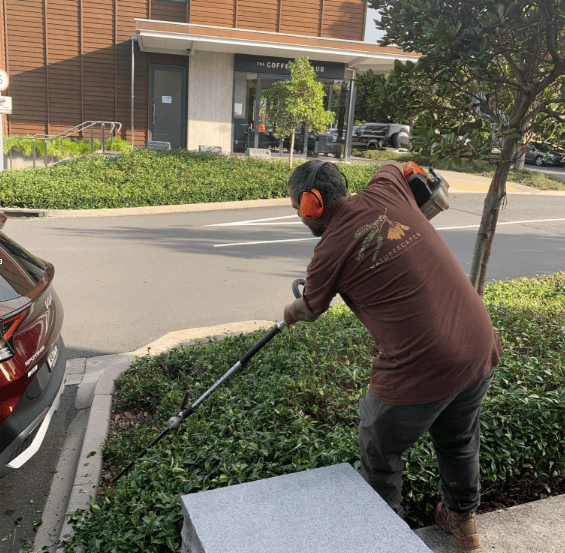
A landscaper designs and maintains outdoor spaces. Garden beds, lawns, planting, paving, irrigation, retaining walls — that is their world. They think about how a property looks and functions, and they keep it that way over time.
Trees are part of that. A landscaper can plant a young tree, shape it lightly during a routine visit, or remove something small that is no longer working in the design. That is completely normal.
The work shifts when trees get big, develop problems, or need to come down near a structure. That is a different job entirely — and most good landscapers will tell you the same thing.
What an Arborist Actually Does
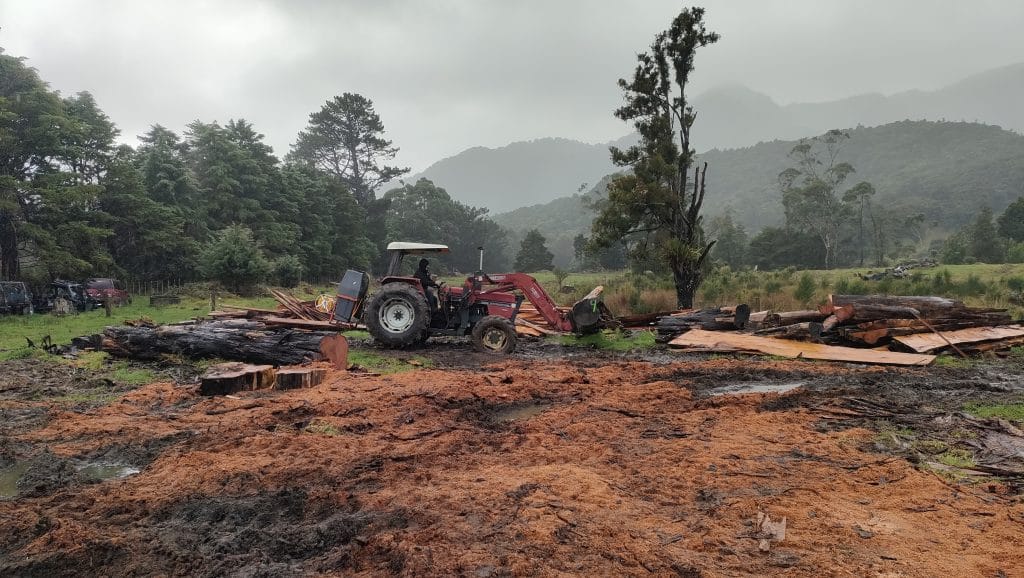
An arborist is trained specifically in trees — not just how they grow, but how they fail.
They can assess a tree’s internal structure, identify decay that is invisible from the ground, evaluate how much load a branch union is carrying, and figure out whether a tree that looks fine is actually a problem waiting to happen. That kind of assessment requires proper training and, in many cases, specific equipment.
They also carry the right insurance for high-risk work. If a tree comes down near a fence line, a roof, or a neighbouring property and the person who removed it was not qualified for that category of job — that becomes a serious problem for the property owner.
This is not about one trade being better than the other. It is about scope. A surgeon and a GP are both doctors. You just need to know which one your situation calls for.
Signs the Job Needs an Arborist
Most people do not know where the line is, and that is fair enough. These are the clearest signals:
The tree is large or tall. Any work that requires climbing or elevated access is arborist work. The risk profile at height is completely different from ground-level pruning.
It is close to a building, fence, or power lines. Controlled removal near structures requires proper rigging and directional techniques. This is not something to improvise.
Something has changed. A new lean, a crack at a branch junction, dead wood in the upper canopy, mushrooms growing at the base — any of these mean get a proper assessment before doing anything else.
Storm damage. A storm-damaged tree is under unpredictable load. Branches that look stable can move fast when cut. This is one situation where getting the wrong person on site can go badly wrong.
Northland Makes This More Important Than Most Places
Wind exposure in Northland is real. Coastal properties, open rural sections, elevated sites — trees here deal with ongoing mechanical stress that accelerates structural wear over time. A large tree that has been left unmanaged for fifteen or twenty years on a Whangarei property carries more risk than the same species in a sheltered city garden elsewhere.
Storm seasons also come around fast. Getting a tree assessed before winter — rather than cleaning up after something goes wrong — is just sensible property management.
If you are in Whangarei or anywhere across Northland and you are not sure whether a tree on your property needs attention, DCTrees offers qualified arborist assessments along with the full range of tree services in Whangarei — pruning, crown reduction, removal, and stump grinding. Getting someone with the right training to take a look costs far less than dealing with a problem after it has escalated.
They Work Better Together Than Apart
A well-run landscaping project on a property with mature trees usually involves both trades. The arborist goes in first — clears hazardous wood, reduces canopy where the design needs light, removes stumps that would interfere with groundwork. The landscaper then works in a space that has been properly prepared.
On ongoing maintenance, a landscaper managing regular garden visits will refer out to an arborist when something comes up that sits outside their scope. That is not a limitation. That is how good tradespeople operate.
If your property has established trees and you are planning any significant landscaping work, it is worth having both conversations early. You will get better results and avoid surprises mid-project.